
Why Weight Loss Progress Sometimes Slows
When pursuing a weight loss journey, it is common to experience a slowing in progress over time. Working in the clinic, patients present this concern as: “I need to have my hormones checked—I can’t lose weight and nothing has changed.” It is often that lack of change that is typically the culprit.
The Gist:
When people try to lose weight, it is normal for progress to slow down over time. Many people think something is wrong, like their hormones, but often the real reason is that nothing in their routine has changed. As your body loses weight, it needs fewer calories to do basic things like breathing, sleeping, and moving. This means what worked before may not work the same way later.
Worth the Read:
As we go about our daily lives, the body requires a baseline level of calories to support essential functions such as breathing, sleep, digestion, daily movement, and physical activity. At a higher body weight, these baseline energy needs are greater. As weight decreases, overall caloric requirements also decline. I have personally experienced this while working toward weight loss following back surgery and a foot injury. My progress has been gradual and consistent, and as you can see, over time my daily caloric needs have steadily decreased.
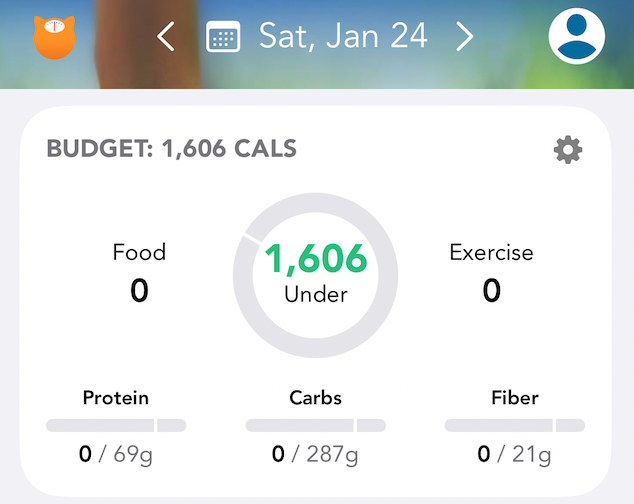
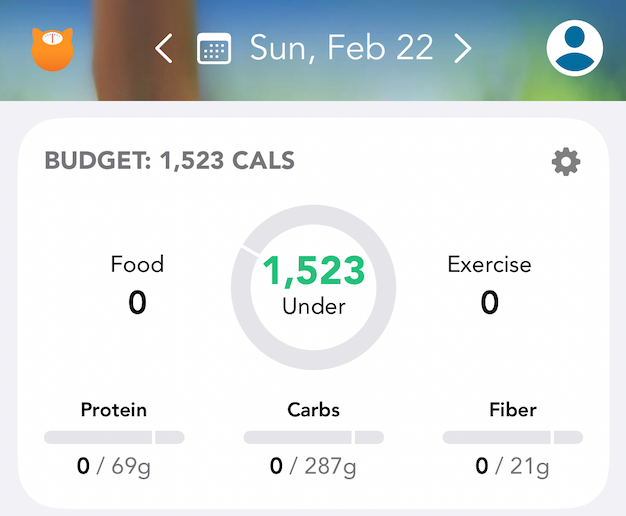
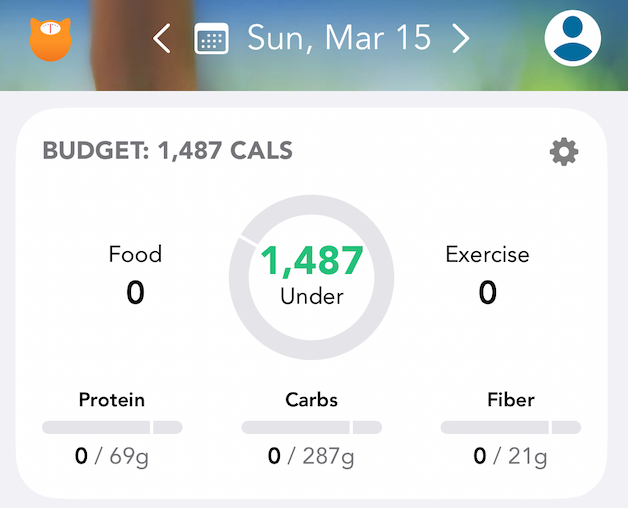
Currently, I have been prioritizing cardiovascular exercise and have not yet incorporated a structured strength training program. As muscle mass increases, body weight may also increase. This increased muscle mass not only supports functional strength but also raises resting metabolic rate, thereby increasing overall daily energy expenditure and increasing the daily calorie budget
When individuals maintain the same caloric deficit or exercise routine over time, the body adapts. As a result, strategies that were once effective may become less impactful, highlighting the need for ongoing adjustments to support continued progress.
